No Rogan on a Dead Planet – and other essays

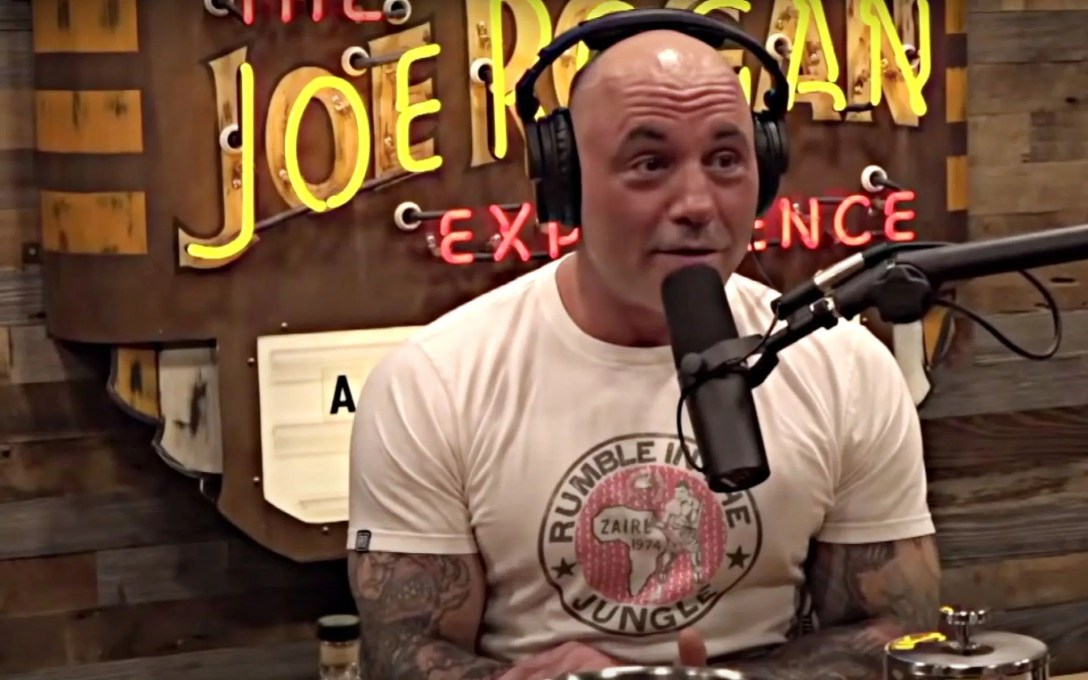
Both mainstream media and the newly powerful alternative media aren’t incentivised to present the realities of either climate chaos or societal collapse. We see the consequences of that in the poor quality of discussion around the wildfires in Los Angeles. Examples included the unchallenged dismissal of climate change on an episode of Joe Rogan, which reaches tens of millions of people. More extreme than that were widespread conspiracy theories of am evil cabal with (not-yet-available) weapons choosing to destroy neighbourhoods. It can be easier for onlookers to imagine evil people than face a painful predicament that will eventually engulf them as well. Which is why such nonsense gains an audience, even amongst otherwise intelligent people. There are real consequences from this, as the agendas of both climate adaptation and deep adaptation are sidelined from conversation – so the opportunity to reduce harm in future is foregone for many. What to do about it is the topic of an essay I penned last week – “No Rogan on a Dead Planet.” I explain that the importance of free speech means that all of us, and our governments, should encourage more self regulation from content providers and platforms, and then systematise that with international standards. That means podcasters need to accept that with their increasing influence comes greater responsibility and opportunity to lead the sector. To my knowledge, this is a different angle to the current debate about government and BigTech censorship versus an entirely hands-off approach.  

That essay was the latest in a series with the -zine Brave New Europe over the last 3 years. Below I list my previous essays with summaries – all on climate and the environment. 

Continue reading “No Rogan on a Dead Planet – and other essays”

We Can’t Live on Borrowed Freedom Forever – part 4 of a #RealGreenRevolution

This is the 4th in a 7-part essay on the type of policy innovations that would respond to the truth of the environmental predicament and, also, why most environmental professionals ignore such ideas to promote limited and limiting ideas instead. These ideas on a #RealGreenRevolution provide a contrast to current agendas, with the aim of encouraging a global environmental movement as a rights-based political force.  In this part of the essay, I focus on the impossible yet essential matter of governance reform. It is something made even more difficult by the recent capture of public space to global tech platforms, which most politicians choose to ignore.

To receive each part of the essay, subscribe to my blog. To engage with other people who are responding to these ideas, either engage on the Deep Adaptation Leadership group on LinkedIn (where I will check in) or the Deep Adaptation group on Facebook, or by following the hashtag #RealGreenRevolution on twitter. A list of previous parts of this essay is available.

Governance Reform

The past decades have witnessed similar political trends across many countries, involving market deregulation, privatisation, foreign ownership and increased financialization. The way such trends have occurred worldwide is an indication of the lack of sovereignty of individual nations. Instead, global financial institutions provide the intellectual resources and talking points via professional institutes, media, universities and thinktanks, and exert a disciplinary force via the government bond and foreign exchange markets. In each country there is a particular packaging for this agenda, and a story told about how it is a result of the leadership of a particular politician or political faction. But the global trend reveals as a complete fraud the story in mainstream media that individual politicians are leaders rather than administrators of the interests of national and international capital, however knowingly or not, and the sales assistants for the ideas that advance those interests. Many politicians are actually trained in such sales techniques, including public relations professionals, actors, presenters and celebrities.

Continue reading “We Can’t Live on Borrowed Freedom Forever – part 4 of a #RealGreenRevolution”