Update on July 31st 2025:
After publication of this essay, there were a couple of months of what I considered unsatisfactory responses from various persons in senior volunteer roles in the DA Forum, who complained about my public criticism. However, by July, there was a widening of focus to include addressing matters of online group moderator capacity, diversity and accountability. Conversations are ongoing to improve systems. In addition, the original post that was blocked by moderators of the DA FB group has subsequently been accepted here.
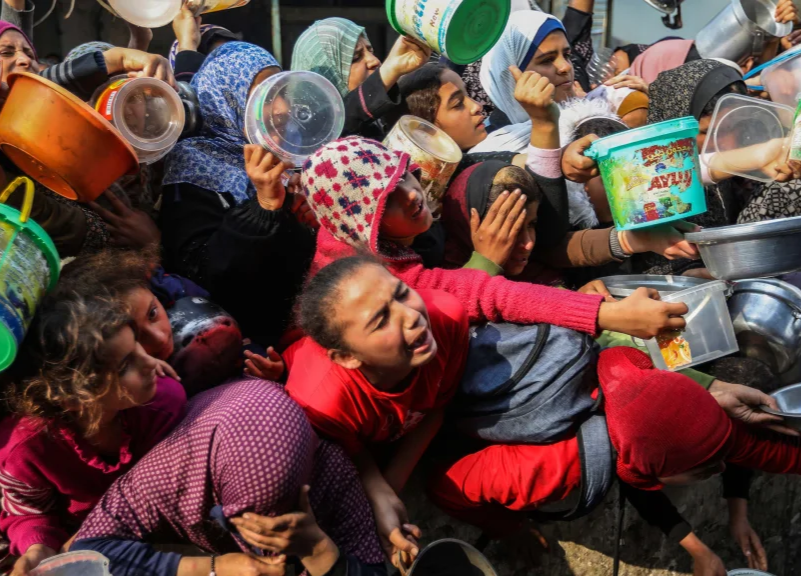
It is painful to think that many of the children pictured above are now starving to death, and the world has watched, without a way to intervene until too late for so many.
For over a year some people have been saying “one day everyone will have always been against this”. They recognised that many people only move with the herd, as defined by legacy media and cultural bias, and such complacency provides abusers with the time to do great harm. In a metacrisis with societal disruption and collapse, we would benefit from more people with greater ‘critical wisdom’ as I explain in in Chapter 8 of Breaking Together. We can also ask people to learn from their mistaken compliance and complacency, to avoid repeating it.
—
Many of us are lucky that societal collapse is still only a concept. It can be our way of understanding the increasing difficulties we experience, or the increasing damage to the natural world, or can describe a future breakdown of basic services in our societies. However, for some people the collapse of basic systems for living has been happening for a long time. Moreover, some people are experiencing the daily risk of being killed, the pain of hunger, grieving loved ones, and coping with trauma from regular bombing and displacement. A military-induced collapse of society is one that could be stopped, unlike the wider collapse that unfolds due to environmental and other factors. Therefore any such volitional collapse is something we could try to prevent, or reverse. It is something that calls for our attention and action. That is especially so if our taxes are funding part of it or our financial savings are benefiting from it.
What I have just written seems self-evident. It should not need explaining. Therefore, it is heartbreaking that a few people who made the reduction of harm from societal collapse a major theme in their lives have been blocking people with a similar perspective from discussing how we might help people in need, with no transparency about that censorship, which means we develop a mistaken impression of the response of our fellow man. I am writing about it here because I think that with your help this situation can change, and with it, both systems and cultural dynamics will improve in the Deep Adaptation communities and movement.
Continue reading “Our Humanity Dictates that the Collapse of Other Societies Matters to Us – including Palestine”