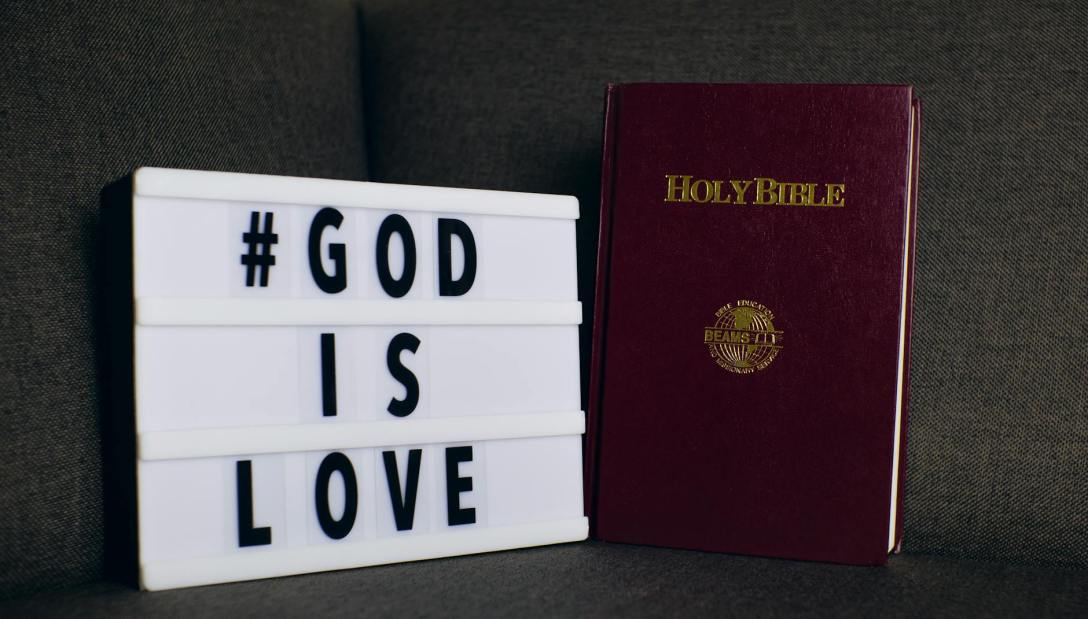
Next time, let’s put the true Christ back into Christmas

How was your Christmas? I had a lovely day walking the dog and recording a video of the amount of colourful trash “decorating” some of the trees here in Indonesia. We are in a majority Muslim country, which happily celebrates Christmas. That might be something to tell any grumpy neighbours who fear a Muslim “invasion” of where you live. Maybe they told you it’s time to put Christ back into Christmas, exhibiting a new religiosity with few prior symptoms (such as care for the poor or foreign). Reflecting on such declarations of the need to remember Jesus, this year I decided they have a point. Here’s why… 

Every December, as the tills jingle and the Christmas songs play, we are invited to celebrate the birth of a man who asked us to stop worshipping money and start paying attention to what was going on inside our own hearts. Naturally, we mark this by maxing out our credit cards as we imagine what random stuff might pass as thoughtful presents. But if we are to be serious about “putting Christ back into Christmas,” we could begin by putting the actual Christ back into view.

Continue reading “Next time, let’s put the true Christ back into Christmas”

Reclaiming “Kyrie Eleison” this Christmas

by chiyo hiraoka

From a plea for pardon to an invitation to heal within a universe of unconditional love. 

Across centuries of liturgy, the solemn chant “Kyrie Eleison”, often translated as “Lord, have mercy,” has echoed through churches and cathedrals. It is one of the most recited phrases by congregations of Christians around the world, and can convey the idea that believers are penitent persons before an omnipotent judge. I heard it regularly during my childhood, in Anglican, Catholic and Evangelical contexts. After I stopped going to church, for decades I didn’t think about the meaning of the phrase. Not until I was in a field in Thailand, with two hundred people from different faiths, as we sang and moved in prayer. That set me on a journey into the meaning of the phrase “Kyrie Eleison”, and a discovery about the loss of Jesus’s original message, as quoted in the Gospels. This realisation is opening up the possibility to reconnect with my roots in a new way, through a Christianity more mystical than the institutions of religion convey. 

To understand the true meaning of the phrase “Kyrie Eleison”, it helps to journey back before the Gospels. It had been a common Greek plea, where “Kyrie” invoked a divine power. They had many to consider, from Asclepius to Zeus. The word “eleison” had a poetic meaning, because it was not only the verb “to forgive”. Our dance leader in Thailand explained it sounded similar to ‘elaion’, which meant oil. In ancient Greece, as in modern times, oils were used for various forms of healing, including wounds and aches. Thus, “eleison” meant something other than a cry for forgiveness from a sinning or guilty person. Instead, it was a plea, or an invitation, to “anoint me, soothe me, and heal me.” It is important to remember that the worldview at the time, across many cultures, regarded illness as a symptom of spiritual or relational disorder, rather than a random physical misfortune. To cry out “Kyrie Eleison” was to ask the divine to restore a person’s wholeness.  

Continue reading “Reclaiming “Kyrie Eleison” this Christmas”