Holding Space for Strong Emotions

“I wanted to punch the guy, but when I realised I couldn’t do that, I just switched off.”

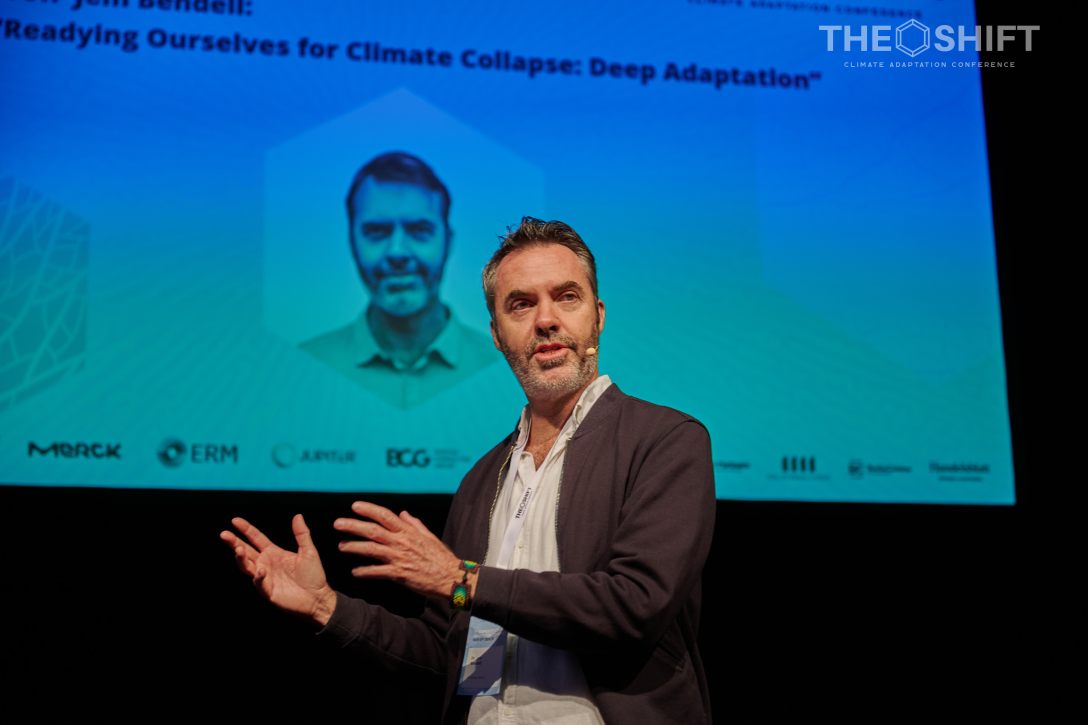
This was certainly a new kind of response to giving a speech. I’d just left the stage at a conference on adaptation to climate change, and was surrounded by people wanting to exchange a few words and contact details. “You really stimulated the audience, as we hoped you would,” one of the organisers said, smiling as he told me of the guy who liked my views so much that he wanted me to connect with his knuckles.

I’d already heard enthusiastic praise from another organiser, so I reacted to the negative feedback in dismissive fashion. “Anger is a way of responding to difficult information, situations and emotions. It gets us out of fear,” is more or less what I said. I continued with my mini lecture by saying “Fight or freeze are two normal responses to fear. It’s why I talked about the benefit of getting better with allowing, witnessing and working through difficult emotions. It’s also why we must recognise so much of our conversation in professional circles is to avoid conflict and emotional difficulty, using convenient narratives, that stop us from facing reality.” This all tripped off my tongue because being intellectual and slightly combative is my go-to response when under threat. However, I’m writing this essay because I was on the cusp of noticing that go-to response, and chose a different way to engage when experiencing conflict. If you also navigate strong emotions about the state of our world, I hope the following thoughts may be of use.

Continue reading “Holding Space for Strong Emotions”

Meditating beyond craving salvation

Last week, over dinner, the British comedian and author David Baddiel asked me whether my new life of farming, music and meditation means I am effectively hiding away from the difficulties of the world. We were both guests of the Festival of Dangerous Ideas, in Sydney. I accepted the invite as it’s a major cultural festival in one of the nearest English-speaking cities to where I live in Bali. David’s question reminded me of how I used to think about meditation and people focusing on their mindfulness. I wondered if they were running away from reality, and trying to be happy by disengaging. I was letting the fact that isolationism is the motive for some people to imply the motive for everyone who is into meditation. I explained to David that I could not have done my work over the last few years if I had not benefited from Buddhist philosophy and practice. It helped me to better notice and slow down my reactions to incoming information so that I didn’t reactively adopt views that might quell any difficult emotions or distract me from them. That meant I could notice the delusions arising from craving for material, psychological and spiritual salvation, both for myself and others. It meant I could look into the abyss for longer and explore what good might be done in our new context. It also helped my resolve to keep working on this topic despite a backlash and recurring feelings of defeat. Maybe I didn’t say it as eloquently as that after a couple glasses of red, but I think he got my gist. And it reminded me of my gratitude for what I’ve been exposed to over the last few years.

Continue reading “Meditating beyond craving salvation”