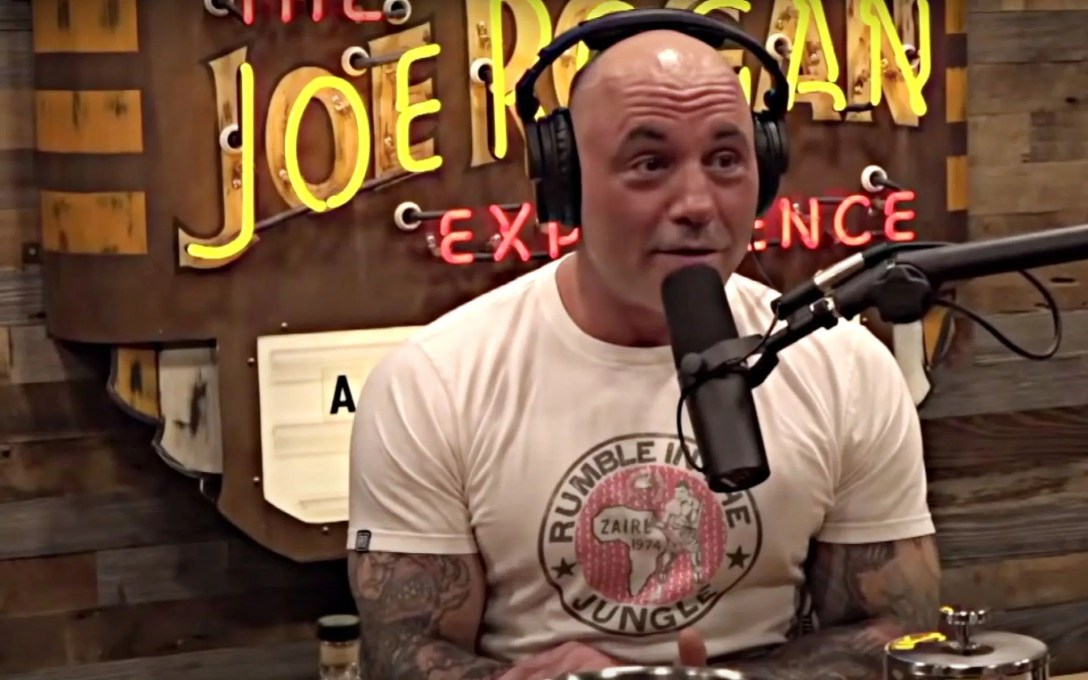
Both mainstream media and the newly powerful alternative media aren’t incentivised to present the realities of either climate chaos or societal collapse. We see the consequences of that in the poor quality of discussion around the wildfires in Los Angeles. Examples included the unchallenged dismissal of climate change on an episode of Joe Rogan, which reaches tens of millions of people. More extreme than that were widespread conspiracy theories of am evil cabal with (not-yet-available) weapons choosing to destroy neighbourhoods. It can be easier for onlookers to imagine evil people than face a painful predicament that will eventually engulf them as well. Which is why such nonsense gains an audience, even amongst otherwise intelligent people. There are real consequences from this, as the agendas of both climate adaptation and deep adaptation are sidelined from conversation – so the opportunity to reduce harm in future is foregone for many. What to do about it is the topic of an essay I penned last week – “No Rogan on a Dead Planet.” I explain that the importance of free speech means that all of us, and our governments, should encourage more self regulation from content providers and platforms, and then systematise that with international standards. That means podcasters need to accept that with their increasing influence comes greater responsibility and opportunity to lead the sector. To my knowledge, this is a different angle to the current debate about government and BigTech censorship versus an entirely hands-off approach.
That essay was the latest in a series with the -zine Brave New Europe over the last 3 years. Below I list my previous essays with summaries – all on climate and the environment.
The end of sustainable development? – Brave New Europe
After 30 years, the concept, policy and practice of ‘Sustainable Development’ has failed to address poverty and environmental degradation. This essay highlights regressions in key Sustainable Development Goals, such as rising extreme poverty and hunger. Jem Bendell contends that the pursuit of continuous economic growth is incompatible with ecological limits and calls for abandoning this ideology in favor of frameworks that build resilience and communal well-being. The essay coincides with the Professor’s peer reviewed article on the same topic.
This essay critiques climate communication strategies that emphasize global average temperature increases, such as the commonly cited 1.5°C or 2°C targets. He argues that these figures provide no relatable baseline in human experience and fail to convey the immediate and localized impacts of climate change, leading to public complacency. Jem Bendell advocates for more relatable messaging that highlights specific, tangible consequences to effectively communicate the urgency of the climate crisis.
The biggest mistakes in climate communications, part 2 – Climate Brightsiding – Brave New Europe
“Climate brightsiding” is the tendency to present overly optimistic views on climate change solutions. This approach can dismiss legitimate concerns, particularly among younger generations, and may lead to complacency. Jem Bendell advocates for acknowledging the severity of the crisis to foster genuine engagement and effective action, including readying practically and emotionally for unavoidable impacts. .
Climate Honesty – are we ‘beyond catastrophe’? – Brave New Europe
A detailed and scathing critique of recent narratives that suggest that climate change impacts may be less severe than previously thought. He argues that such reassurances often rely on shaky scientific foundations and subjective modeling choices, while appearing to serve a need for positive stories amongst the climate profession. Jem Bendell emphasizes that downplaying the severity of climate change can lead to complacency, hindering necessary radical action to address the crisis.
Reflecting on his experience at COP27, Professor Jem Bendell criticizes the event as a “charade” dominated by corporate interests and sidelining genuine climate justice efforts. He argues that the conference prioritizes capitalist agendas over meaningful action against climate change, leading him to decide against attending future COP events.
What is ecolibertarianism? It’s the freedom-loving environmentalism we need – Brave New Europe
This essay introduces “ecolibertarianism” as an alternative environmental philosophy emphasizing collective support for personal freedom and community-based solutions over top-down approaches. Jem Bendell critiques mainstream environmentalism for its reliance on technological fixes and centralized control, advocating instead for localized, self-reliant initiatives that empower communities to care for each other and the environment.
Jem Bendell addresses friends who have become skeptical of climate change, attributing their doubts to distrust in authorities post-pandemic and influence from fossil-fuel-funded think tanks. He warns that this skepticism fractures opposition to corporate and authoritarian control, empowers opportunistic politicians, and hinders grassroots environmental efforts. Bendell urges a reevaluation to support community-based environmentalism.
The Nine Lies of the Fake Green Fairytale – Brave New Europe
This essay critiques the ‘fake green fairytale,’ which asserts that humanity can maintain current consumption levels by transitioning to renewable energy sources. He identifies nine false claims within this narrative, including the feasibility of sustaining consumption, the capacity of renewables to replace fossil fuels, and the notion of achieving net-zero emissions. An environmentalist, Professor Jem Bendell argues that these misconceptions hinder meaningful climate action and promote self-deception within environmental movements.
After a year of talking with climatologists in different parts of the world, Professor Jem Bendell observes a shift in climatology, where scientists now privately view climate change as a predicament to manage rather than a solvable problem. He notes that many climatologists acknowledge the limitations of current models in accurately predicting future climate scenarios, but are reluctant to explore the institutional and psychological reasons why that has occurred, let alone the scientific ones. There are major implications, such as for a focus on forests, on aerosols, and on adaptation.
Donate to keep Jem writing / Read his book Breaking Together / Ask JemBot a question / Read Jem’s key ideas on collapse / Subscribe to this blog / Study with Jem / Browse his latest posts / Read the Scholars’ Warning / Visit the Deep Adaptation Forum / Receive Jem’s Biannual Bulletin / Receive the Deep Adaptation Review / Watch some of Jem’s talks / Find Emotional Support / Jem’s actual views on Covid
Discover more from Prof Jem Bendell
Subscribe to get the latest posts sent to your email.
