Every 4 months or so, the Deep Adaptation Review is released as a free summary of recent and relevant information on collapse risk, readiness and response. 12,000 people receive it. Past issues can be accessed as well as the new September review. My editorial follows below.
Collapse is the word on the street (just not online)
Like me, at some point in the past it probably felt too painful to allow yourself to consider the possibility that it’s too late to avoid catastrophic damage to communities around the world, including one’s own. Like me, you probably still experience moments when it feels too painful. I still distract myself from it – and quite often. Maybe that’s why I have a passion for English Premier League football! I’ve tended to keep that one quiet. Someone just wrote to me about feeling distraught and confused, and that he envied my life with devotional music and regenerative farming. I’m about to reply and mention that this summer I read about all the football transfers and was wondering who will have the best midfield this season. My point is that we all have various ways to distract or entertain ourselves, with some being nourishing, others less so. We need to find what works for us right now, without then lying to ourselves about reality, or postponing the decisions we know we need to make.
I might need to take the decision to become far less bothered by people not being able to face reality! They’re not unusual, after all. And I was the same for many years. But knowing the benefits that can come from recognising the environmental predicament facing humanity, it feels sad for so many of my friends and colleagues to be duped by the two main narratives being promoted by different factions of capital today. One narrative is that technology and enterprise will fix the problems and the other is that the climate agenda is a total hoax. Big finance, big tech, clean tech, big pharma and nuclear are backing the former, whereas big oil is backing the latter. Both narratives are popular as they help to suppress anxiety. On the one hand, the techno-salvation story offers a path of calm obedience, and on the other the climate conspiracy story offers a way to eternal self-righteousness. Yet both stories lead to ineffectiveness and a lack of attention to what is happening and what is to come. It’s why I addressed this decay of public dialogue during my speech to launch my book Breaking Together. I argued that we need to articulate a positive ‘doomster’ story instead, where we celebrate the many of us who are changing our lives positively and helping others precisely because we believe we are in a new era of disruption and collapse. But there is no faction of capital behind that ‘doomster’ response – we tend to be rather post-consumer. Maybe that’s why I was booted off Twitter without an explanation and have been ‘shadow banned’ by other platforms (the evidence and process of which I explain in Chapter 13 of my book).
My wish for greater civil society discussion and initiative on the matter of societal disruption and collapse is why I teach the online Leading Through Collapse course. But beyond having skills and a clear strategy, something far more simple is now necessary. The suppression of information from collapse-acceptors means that if we want others to hear about positive ways of responding, we need to go back to ‘good old word of mouth’. That doesn’t occur through social media anymore. Instead, we need to contact people directly and make ourselves available to discuss. So I recommend you forward this newsletter to a few people who haven’t already discussed such things with you, and offer to chat. To help with that, I hope you find something of interest in this newsletter. As we didn’t reach our fundraising target for producing the DA Quarterly every 3 months, from now on it will be produced every 4 months or so. So we have renamed it the Deep Adaptation Review.
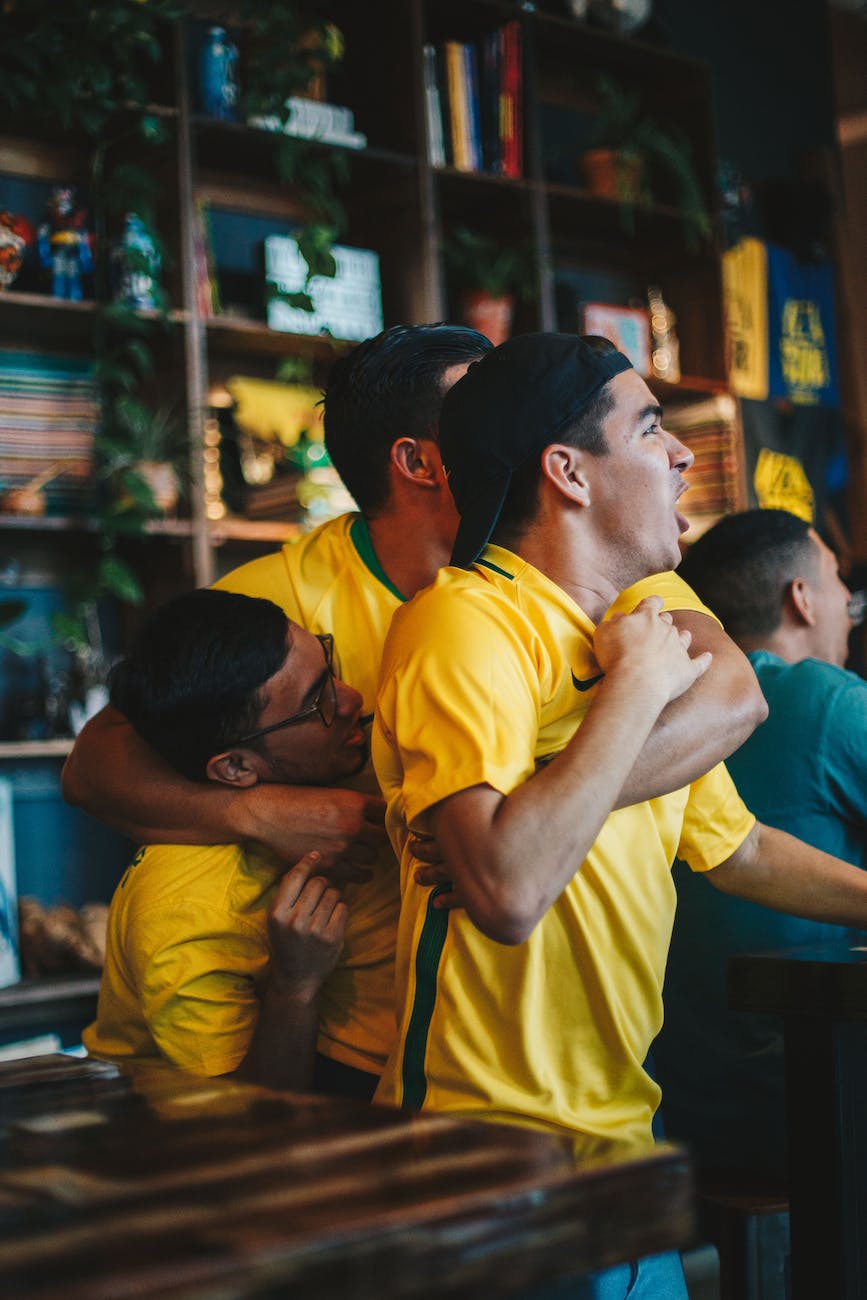
With ‘word of mouth’ in mind, next year I will be going back to that old modality of a book tour. I already know the cities I intend to visit (see here) – as long as the world and ‘yours truly’ are still functioning OK. I hope I’ll get the chance to discuss things in person with many of you. Perhaps we could even watch a football match at your local pub?
Warmly,
Jem Bendell,
Publisher of the Deep Adaptation Review
Author of Breaking Together
Read the full review!
Discover more from Prof Jem Bendell
Subscribe to get the latest posts sent to your email.
