As societies become more disrupted and difficult to thrive within for so many people, it is a relief that many of us can connect to discuss what to do about it in our own lives. Despite mass media reluctance and social media suppression, people are still able to find others who conclude modern societies are breaking down to explore how to respond positively. Although the numbers of people engaged in that way would scale massively if the corporations owning our means of communication would end their suppression, I’m pleased to see spaces for dialogue are continuing to expand. That’s why I welcome groups like R3.0 initiating dialogue about this topic amongst professionals in sustainability. Exactly how we go about talking about collapse is something I want to recap on, as what I’m participating in next month in Oakland, California, reminds me of that.
Right from the start of the Deep Adaptation movement, over 5 years ago, we focused on enabling dialogue. Obviously societal collapse affects everything, and so what’s most important is that we explore together how to respond positively. That is why methods of facilitation have been so central to the Deep Adaptation Forum. One methodology we use to create a different quality of engagement, that allows for difficult emotions and uncertainty, was the subject of a scholarly publication with Katie Carr. In the DA Forum we wanted to get away from the idea that an expert could tell us all what to do in this age of consequences where existing hierarchies no longer seemed legitimate. In the early retreats I co-led, we symbolised this situation with a ‘death of the expert’ ceremony, which also marked a shift from participants asking me questions as an authority on topics, to looking to themselves and each other to work out what they might want to do.
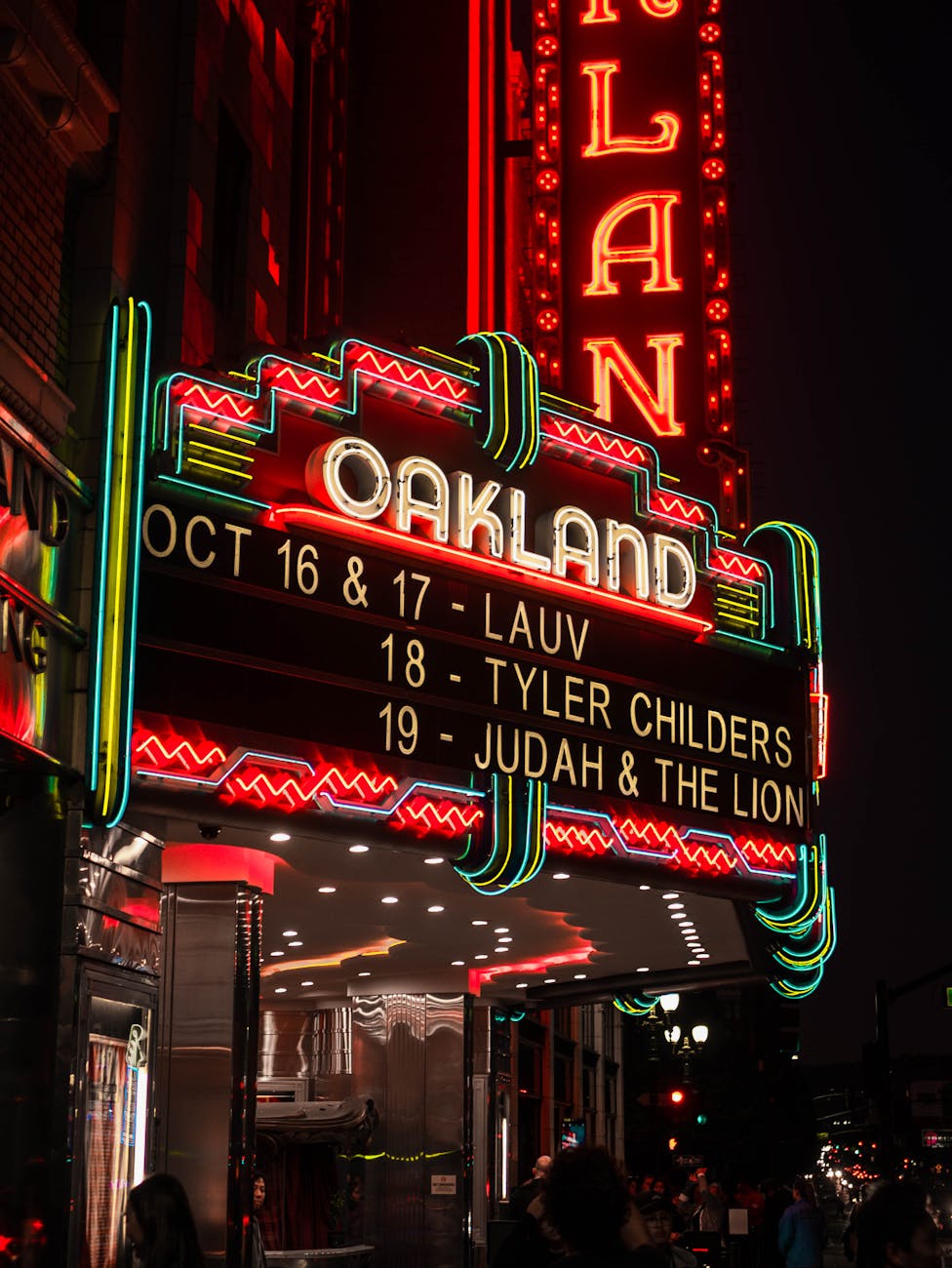
Our emphasis on participatory deliberation and grassroots action was why we used Open Space methods in many of our early events, and also funded community groups to run such events. Open Space is a term for a gathering where the agenda is not pre-set, but determined by the participants. That’s why I’m happy to be helping such a gathering when I’m in Oakland, California next month. The event will bring together people from the Bay Area who are interested in activities and policies which enable ‘regeneration’ during the ongoing process of disruption and breakdown of industrial consumer societies. Rather than chewing over the data and science on societal collapse due to environmental and other factors, the organisers sense a shift where people want to get on with the implications of that. The organisers are vastly experienced in the “unconference” Open Space approach, so it will be a fantastic day… or at least after I end my opening keynote! (Find out more and register here).
I do still wonder what might happen if this topic was reported on properly and often in the mass media – or even by the alternative youtubers. Sadly most senior folks of the establishment are actively against us taking collapse seriously. For instance, that ceremony about freeing ourselves from the idea that an expert will be able to tell us what to do seemed harmless enough. But I recently remembered that a few year ago, The New York Times journalist Jonah Bromwich misrepresented that as ‘death TO the experts’ in his tour-de-force of the tropes used to push the collapse genie back into the progress bottle.
Given that the observational data and science on climate change has been catching up with what I wrote in the Deep Adaptation paper 6 years ago, I’d be interested in what the persons Jonah quoted as critical of the science in the Deep Adaptation paper might think today. Even then they were critiquing strawman versions of my arguments. For instance, climatologist Dr Kate Marvel was reported as saying I was mistaken on the science because I’d identified Arctic Summer sea ice loss as a tipping point. But I had not used that term. Instead, I had referenced the various assessments of how significant a heat forcing effect such ice loss would represent. It’s bizarre because on the one hand there is a good case to be made that the loss of Arctic summer sea ice be considered a tipping point, because it makes year round sea ice loss and Greenland ice loss far more likely. On the other hand, if it’s not considered that, then some people might question whether the category of ‘tipping point’ is such a useful tool for understanding material risk after all! But I didn’t make either argument in the DA paper, so perhaps Dr Marvel was criticising something in her imagination. Looking back today, the NYT article is funny in its contrived negativity. For instance, Jonah even quoted Emily Atkin criticising random blokes writing about climate to suggest that applied to me (she didn’t know about Deep Adaptation back then). Jonah’s article stands as a classic example of the misinformation spread about Deep Adaptation that found a hungry audience amongst reformists and careerists in the environmental profession.
Fortunately, that kind of nonsense has calmed down somewhat, perhaps due to the sad fact that our planetary situation has become even more tragic and frightening. The mass media pursue another tack now – they simply ignore the huge numbers of experts and swathes of the general public who believe societal collapse is likely or slowly unfolding and quote anyone who calls for us to maintain hope. And then there’s always stuff like Trump to write about, which Jonah does almost exclusively now.
I don’t expect the monopolist media corporations, whether in news or social media, to change their approach. They’ll keep ignoring and suppressing the painful and radicalising truth. But one thing that could change is the extent to which people in the fields of sustainability and social change sideline the collapse agenda. This came to light when one of my fellow panellists in the R3.0 conference, Dr. Karen O’Brien, wrote about Deep Adaptation in a subsequent blog post. She claimed that those of us who perceive societal collapse as occurring, or inevitable, render ourselves irrelevant to the future. I commented the following:
“They do not matter” is what you wrote about people who share the Deep Adaptation worldview and ethos. Have you talked to many of us? Or seen research on the social engagement of such people? Both experience and research show we don’t think we don’t matter. We don’t know if we matter or not at a large scale. That seems rational. But we know we can matter in many smaller ways and we don’t need stories of scale or lasting impact to motivate us. You repeat, when you wrote “If we believe that collapse is inevitable, we are unlikely to engage simultaneously with the practical, political, and personal spheres of transformation to shift the very systems and cultures that are having devastating outcomes for people and the planet” Again, research and activist testimony proves otherwise. We are living radically differently, some as full time climate activists, precisely because we have a catastrophic outlook. And we don’t equate the collapse of modern society as the end of everything. Stella Mbau wrote about it well here, including some links to relevant psychological research.”
You might note that I was responding to commentary on the assumed implications of people reaching a conclusion rather than the veracity of that conclusion. I map out evidence in Breaking Together for how collapse is underway, not just a prediction about the future. But if we are to discuss the implications of that conclusion, then there is the need for data and dialogue, not supposition and denigration, about matters of psychology, social movements and political change. I’ve had the benefit of some years engaging with psychologists, therapists and spiritual teachers about this topic. I even published in a psychotherapy journal about it, with the suitable title: “Psychological insights on discussing societal disruption and collapse.” Therefore, it feels both bizarre and disheartening to be hearing the same prejudice about motivations, attitudes and actions of people who recognise or anticipate societal collapse.
Many other people have commented on that thread. So if you can’t make it to Oakland, you might find the correspondence on LinkedIn somewhat interesting. For if we want more of the people we engage with to explore how to strive for lesser dystopias in this age of consequences, then we can do our little bit to maintain that space. I guess it gives another dimension to the phrase ‘holding space’.
Donate to keep Jem writing / Read his book Breaking Together / Ask JemBot a question / Read Jem’s key ideas on collapse / Subscribe to this blog / Study with Jem / Browse his latest posts / Read the Scholars’ Warning / Visit the Deep Adaptation Forum / Receive Jem’s Biannual Bulletin / Receive the Deep Adaptation Review / Watch some of Jem’s talks / Find Emotional Support
Discover more from Prof Jem Bendell
Subscribe to get the latest posts sent to your email.
