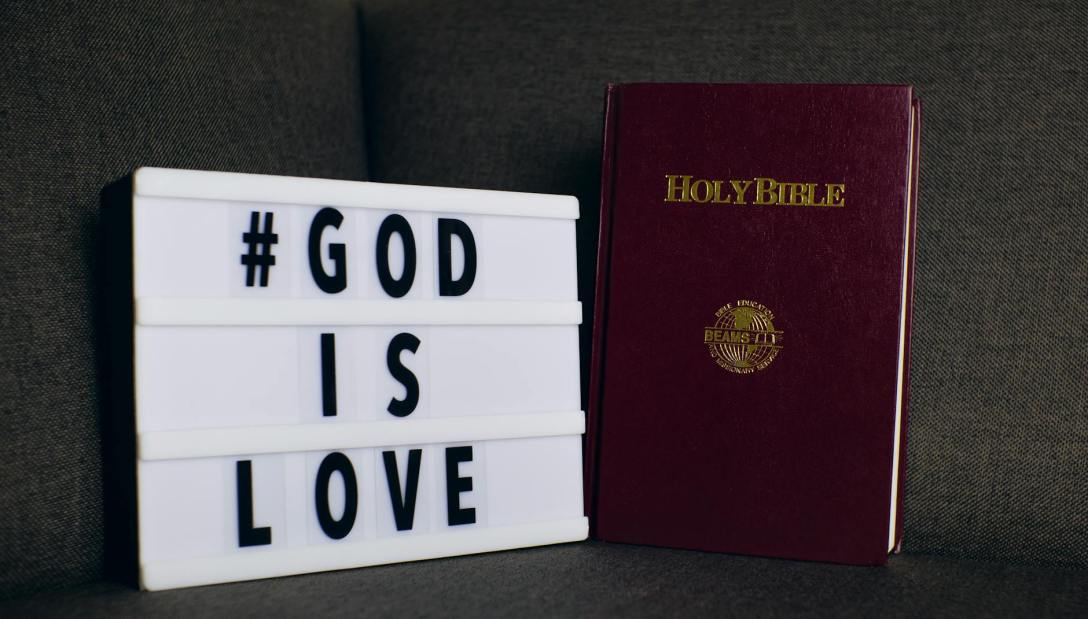
How was your Christmas? I had a lovely day walking the dog and recording a video of the amount of colourful trash “decorating” some of the trees here in Indonesia. We are in a majority Muslim country, which happily celebrates Christmas. That might be something to tell any grumpy neighbours who fear a Muslim “invasion” of where you live. Maybe they told you it’s time to put Christ back into Christmas, exhibiting a new religiosity with few prior symptoms (such as care for the poor or foreign). Reflecting on such declarations of the need to remember Jesus, this year I decided they have a point. Here’s why…
Every December, as the tills jingle and the Christmas songs play, we are invited to celebrate the birth of a man who asked us to stop worshipping money and start paying attention to what was going on inside our own hearts. Naturally, we mark this by maxing out our credit cards as we imagine what random stuff might pass as thoughtful presents. But if we are to be serious about “putting Christ back into Christmas,” we could begin by putting the actual Christ back into view.
First, there’s the money. Jesus was not subtle on this point. “You cannot serve God and Mammon,” he said (Matthew 6:24), Mammon being the ancient Aramaic term for wealth and accumulation. When a rich man asked how to inherit eternal life, Jesus replied: “Sell what you own, and give the money to the poor” (Matthew 19:21). That’s not a line of scripture found embroidered on festive stockings. It might even be considered blasphemy amongst followers of “prosperity Christianity” and their profit-happy pastors.
Second, there’s care for the meek. Jesus’s concern for the poor was not a decorative flourish; it was the point. He identifies himself not with the powerful but with the vulnerable: “I was hungry and you gave me food… just as you did it to one of the least of these, you did it to me” (Matthew 25:35–40). Supporting charity, mutual aid, and genuine care for those at the sharp end of economic systems is not a weak interpretation of Christianity; it is the spine of it. So if we put the true Christ back into Christmas, we’d be sharing ideas of how to help the poor and disadvantaged, not where to go for a slap-up dinner on Boxing Day.
The third way we could get some Christ back into the celebration of his birth could involve a laugh about those who want to regulate the way we mark this holiday. Jesus showed little interest in government or the machinery of power. When questioned by Pilate, he stated plainly: “My kingdom is not of this world” (John 18:36). And when asked about paying taxes, he refused to be drafted into partisan alignment: “Render unto Caesar the things that are Caesar’s, and to God the things that are God’s” (Matthew 22:21). This was not quietism; it was a refusal to confuse spiritual authority with coercive power. Jesus was executed by the state, not elected to run it. And following his teachings and example should never be tinged with revenge, or insecurity, through enforcing one’s beliefs on others.
Then there is the small matter of what Jesus looked like. The historical Jesus was a homeless first-century Jew from Roman-occupied Palestine. So he would have had dark hair, brown skin, and features typical of the eastern Mediterranean. He was not pale, blue-eyed, or in need of a Scandinavian skincare routine. The centuries-long tradition of depicting Jesus as white says far more about European power than about the historical figure. Restoring the true Christ to Christmas would mean restoring his true image. And if it is unsettling for some that the ‘Son of God’ might not look like them, then, err, um… let’s remember to forgive them.
All of this makes the annual culture war over Christmas particularly ironic. The man whose birth we mark rejected wealth, distrusted status, identified with the poor, and kept his distance from political power. Yet in recent years he is wheeled out to bless white nationalism, consumer excess, and some repackaged pagan rituals. One suspects he would again reach for the whip — not at a secular holiday party, but at the market stalls people have set up in his name.
So what might it really involve to put Christ back into Christmas? It would be to remember and reflect on his own teachings. Perhaps it would be to aspire to more ‘Christ consciousness’ — of universal unconditional love — within each others’ lives? For Jesus did not promise ‘salvation’ via a donation to a church or support for a political party. He said that “the kingdom of God is within you” (Luke 17:21). Scholars debate whether the Greek means “within you” or “among you,” but either way it rules out Amazon Prime as the delivery mechanism. And it undermines any authoritarian politics based on a blatantly biased and selectively ‘motivated literalism’ towards Biblical text. Instead we can confidently explain our appreciation of Jesus’ teaching is that it was experiential and immediate: transformation of the heart here and now, not performative piety or political hostility.
Putting that true Christ back into my Christmas was why I looked into the meaning of the Christian chant ‘Kyrie Eleison’ and included it in the song circles I co-led over the festive period. But re-centering the Jesus we learn about from his own teachings in the Gospels could involve deeper reflection and action. It could involve less spending and more giving, less excess and more recess, less outrage and more introspection, fewer slogans and more compassion. It could mean redoubling our efforts to see peace and justice in the land of that incredible carpenter from Palestine. The fact that so many Christian Nationalists’ seem to care little about any of that is an indicator that theirs’ is a project of distraction from the ongoing greed of elites.
But you knew all of this without me writing about it here… I just think it’s time we spoke out more against the nonsense being sent our way by the lackeys of the transnational capitalist class. If this is a topic you are interested in, then I recommend a brilliant new video on the subject by “Jimmy the Giant.’
Discover more from Prof Jem Bendell
Subscribe to get the latest posts sent to your email.
